


ABOUT US
Sophie Gagnon audioprosthetist
Sophie Gagnon has been attentive to your needs for more than 35 years. Helping people suffering from hearing loss is a vocation. The team of Sophie Gagnon audioprosthetist wishes to eliminate the stigma surrounding deafness and end the isolation of people who suffer from deafness.
You will find on our site a great deal of information that may help you in your approach and prepare you for your first meeting with the audioprosthetist. You will learn more about hearing ability, prostheses and hearing protectors, as well as related products.
Regardless of your questions, do not hesitate to contact us. Our team of audioprosthetists is ready to help you with your approach to getting a hearing aid.
Our services are offered in our Montreal and Repentigny offices.

Sophie Gagnon
Audioprosthetist and ownerI always managed to stand out thanks to my great devotion and my professionalism. I have been happily serving you for nearly 40 years.

Guylaine Thibault
AudioprosthetistI am always pleased to guide you professionally at all stages of your hearing rehabilitation process.

Marie-Josée Gagné
AudioprosthetistThanks to the experience gained throughout my career, your satisfaction has been my priority to this day.
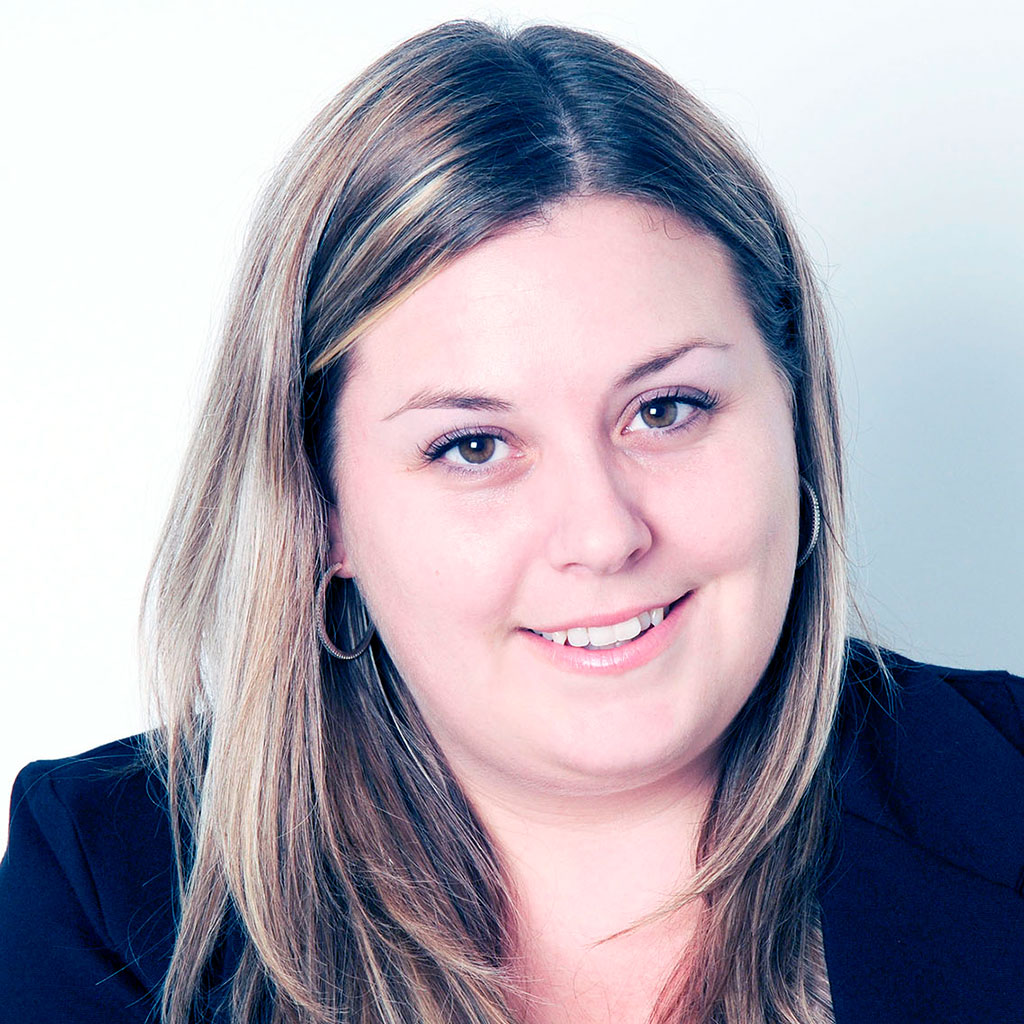
Alexandra Gagnon
AudioprosthetistI shall lead you smoothly and with patience to improve your quality of life.
All our audioprosthetists are members in good standing of the Ordre des Audioprothésistes du Québec.
First meeting
How to properly prepare for your first appointment with your audioprosthetist.
Do not come alone
Come to your first appointment with your audioprosthetist with a loved one, a friend or a member of your family to make the most of your first encounter. In addition, by discussing with your loved ones, the audioprosthetist might learn more about your hearing problem.
Listening with both ears
Both of your ears work together to allow your brain to navigate and understand. You can therefore follow a conversation regardless of the noise that surrounds you. The hearing correction of both ears using hearing aids will thus provide you with optimum satisfaction.
Impacts of a hearing problem
Refer to section Impact under the HEARING tab.
Subjectivity of the hearing ability
The auditory perception is subjective. Some people prefer rich and low-frequency sounds. Others, prefer clearer sounds. Some hearing-impaired people feel highly annoyed by noise, while others deal with noise without too much discomfort. In addition, despite a decrease in their hearing acuity, some are capable of understanding people speaking when they are wearing a device, while others perceive distortions that makes it difficult for them to communicate. Due to this subjectivity of the hearing process, your experience with your hearing aids cannot be compared with that of a hearing-impaired person.
Ask yourself a few questions
When performing what activities does your hearing loss become a problem? In what situations do you feel tired because of your hearing loss? What are your expectations with regards to the appointment? What are your expectations with regards to hearing aids?
Do not hesitate to write down all your questions
To make the most of this first meeting, make sure to write down all questions and concerns that come to your mind with regards to hearing aids. Your audioprosthetist will be glad to provide you with answers.
Your appointment with the audioprosthetist
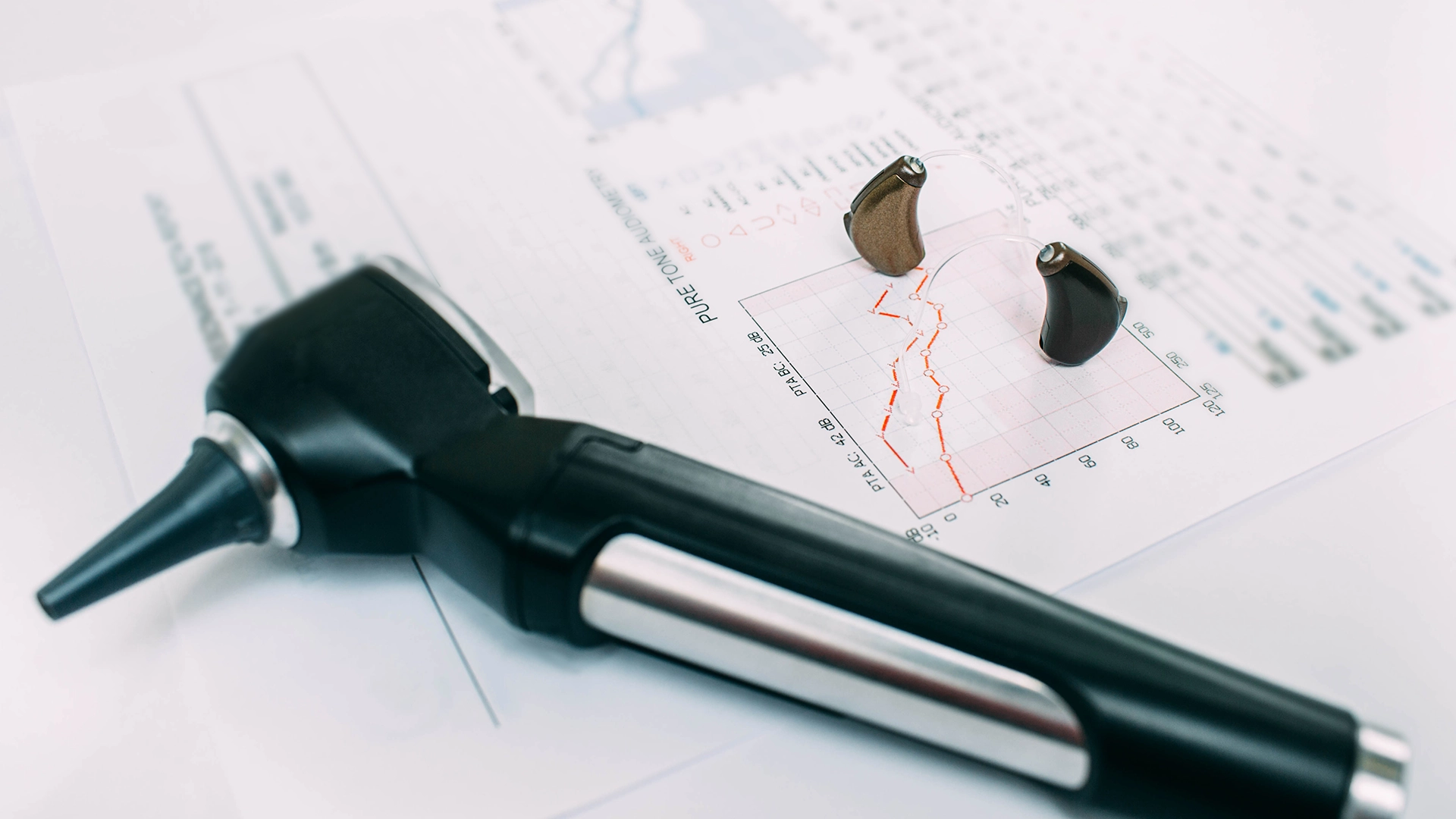
The audioprosthetist will ask you questions on your medical and family history with regards to hearing. He will want to know about listening situations that cause problems. The audioprosthetist will perform a visual inspection of your acoustic meatus and monitor your hearing capacity if no audiogram has ever been performed. He will then refer you to the audiology department for a complete audiogram. Once the hearing evaluation has been done, your professional will propose hearing aids that best meet your needs. The fitting of hearing aids will be taking place a few days later.
Take care of your hearing today
Do you have questions about your hearing or hearing aids? Our team of hearing care professionals is here to listen and guide you. Contact us for a personalized consultation.
Contact usHearing ability
Having difficulty understanding in a noisy environment, during meetings, at the theatre or even in small groups is often a sign of hearing problems
Since the degeneration of the hearing process usually evolves very slowly, the brain gradually resorts to compensation mechanisms. Those affected tend to:
- Raise the volume on the television or phone.
- Face people when they talk to understand better.
- Ask people to repeat.
- Believe that people are mumbling or that they are not pronouncing properly.
People living with such a handicap do not realize this immediately.

There are three types of hearing loss.
- Neurocognitive loss, which is caused by the degradation of inner ear cells and that is often associated with aging.
- Conduction loss, which results from a problem with the middle ear (otitis, perforation of the tympanic membrane, ear bone malfunction, etc.).
- Mixed. The latter one is a neurocognitive loss combined with a conduction problem.
There are many possible causes for a hearing loss. It sometimes occurs abruptly and can be total or partial. For most people, it develops slowly over several years or it appears sooner when working in a noisy environment, when listening to loud music or when practicing shooting to name a few examples.

The hearing loss in the newborn causes a delay in the development of speech which in time will lead to more or less important learning problems based on the degree of loss.
In the adult, a progressive hearing loss will cause problems at work, in his recreational activities and his personal life. Withdrawal, frustration, shyness, anxiety and even depression are only few of the impacts that are associated with a hearing loss.
One should not minimize the long-term effects of a hearing loss since it comes slowly and the damages that comes with it are insidious. We often realize that something is wrong once the loss has already settled in. In addition, studies tend to prove that when it is left uncorrected, the hearing loss is partly responsible for an accelerated cognitive decline.
All these reasons show how important an auditory screening is.

Here is a summary of the daily impacts of a hearing loss :
- Communication
- Avoiding group conversations
- Using the phone less often
- Frequently asking people to repeat
- No longer taking part in conversations
- Social exclusion
- Withdrawal
- Decreased efficiency at work
- Shyness
- Avoiding social activities
- Emotionally distress
- Anger
- Frustration
- Anxiety
- Depression
Hearing aids
Hearing aids are offered with different technological levels.
Maintenance products (.pdf)Essential
Standard
Advanced
Premium
Hearing aid models
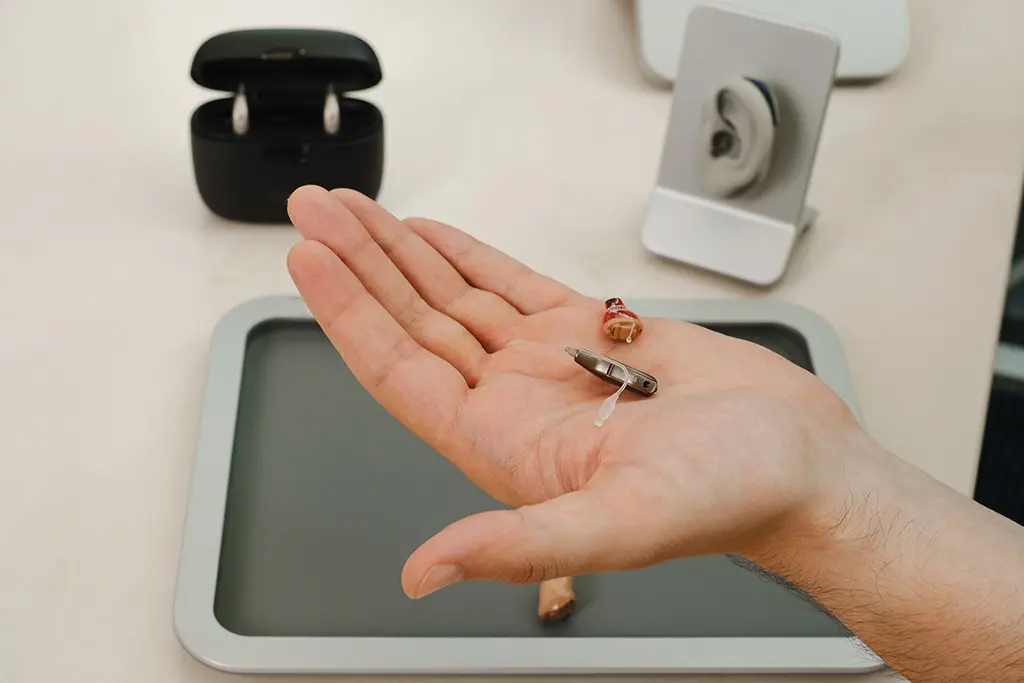
There are several models of hearing aids ranging from the smallest one called C.I.C. that is inserted into the auditory canal, to the behind-the-ear hearing aid that is placed behind the flap of the ear. It is important to discuss with your audioprosthetist to select the model that is best adapted to you. Selecting the right model depends on several factors. Here are a few:
- Level of deafness
- User’s dexterity
- Configuration of the hearing loss
- Ear shape and size of the auditory canal
- High level of cerumen production
- Recurring infection problem
- User’s lifestyle
- Specific needs in terms of connectivity
* An evaluation made by an audioprosthetist is required to determine if the product meets the needs of the patient.
Binaural aids
There is a common misconception that one single aid is enough to hear properly. However, nature doesn’t think so. We have been given two ears for several reasons. Here are some of the benefits of binaural hearing:
- Allows understanding spoken words better in a silent and a noisy environment.
- Improves localization.
- The hearing process becomes more natural.
- Both ears get stimulated.
- Balanced listening feeling that gives a stereo effect.
- Decrease of the auditory fatigue.
* An evaluation by an audioprosthetist is required to determine if a product meets the needs of a patient.

Contact us
Address
Montreal: 3035 Langelier Blvd, Montreal H1N 3A5
Repentigny: 406 Notre-Dame Street, Repentigny J6A 2T1
Phone
514 254.4113 / 450 654.9784
Protection of personal information
Sophie Gagnon, audioprosthesist is the person in charge of protecting personal information at the clinic. Please forward your request by email at sophie.gagnon@bellnet.ca or at 3035 Langelier Blvd, Montreal H1N 3A5.